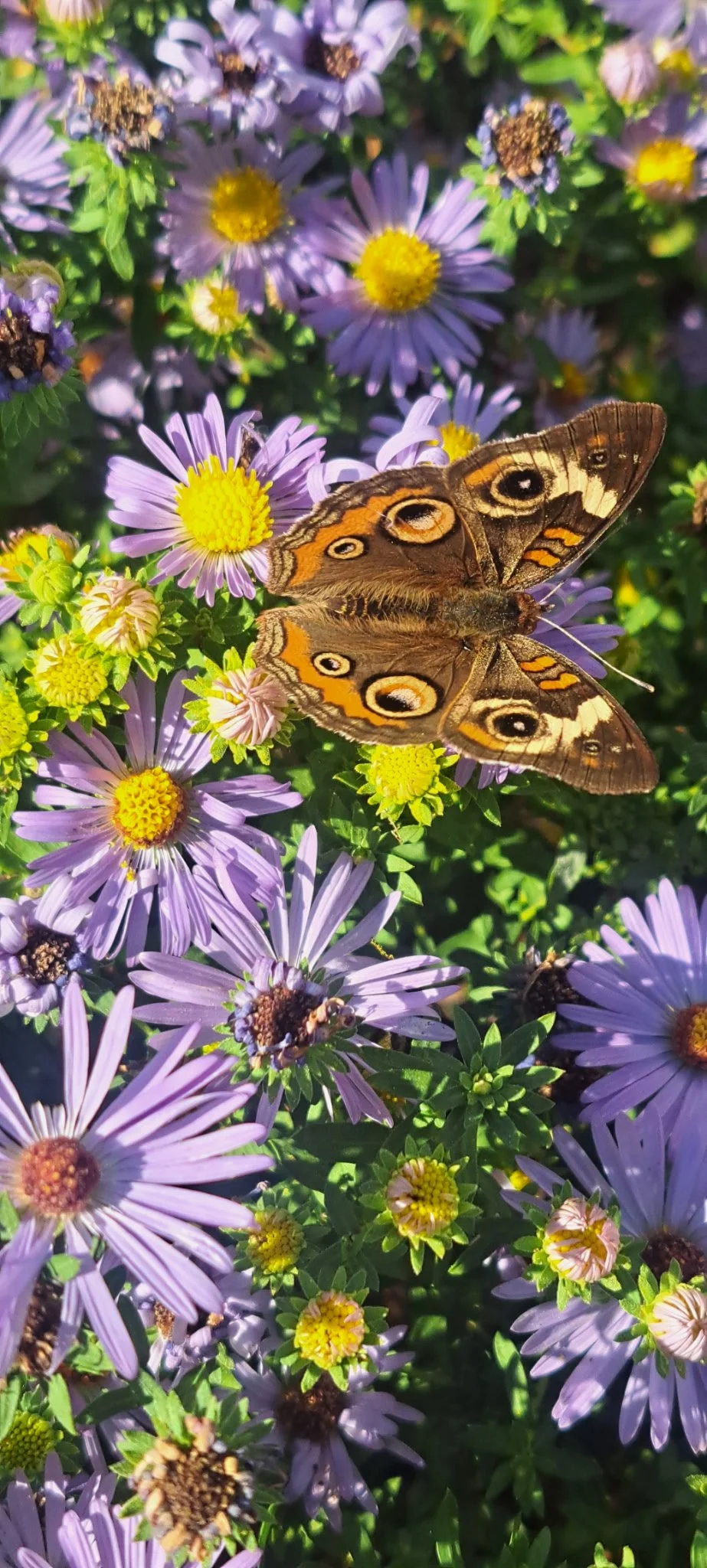
Native Pollinator Garden
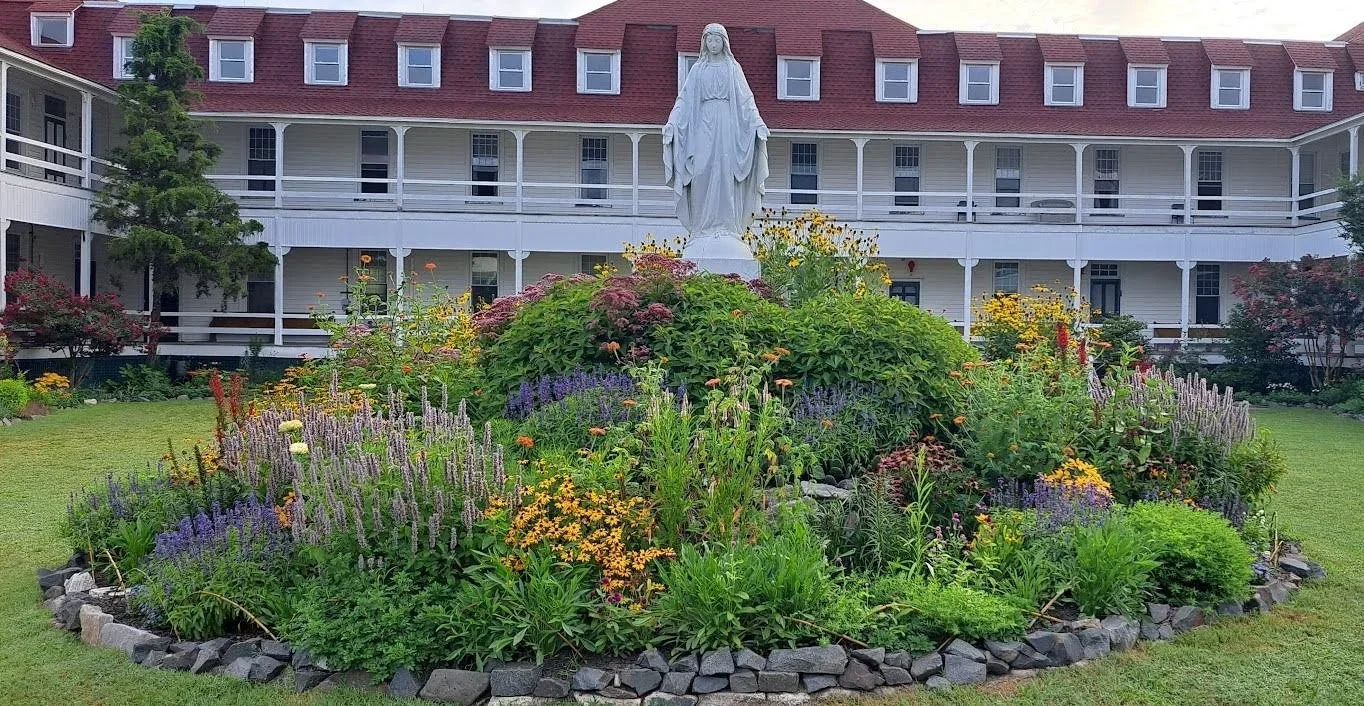
Native Pollinator Garden
The award-winning Pollinator Garden at Cape May Point Arts and Science Center is far more than a beautiful landscape - it's a living masterpiece reflecting the Center’s unique mission of integrating art and science to inspire, educate, and reconnect with the natural world. Every thoughtfully composed planting bed is an artistic expression, while every native plant, pollinator, and habitat feature demonstrates the science of botany, horticulture, ecology, and conservation in action.
What began in 2022 as an ambitious restoration project has grown into one of the region's most inspiring examples of native landscaping. Invasive species were removed, planting beds were expanded, and a vision took root: to create a beautiful, sustainable garden that restores habitat while showcasing how thoughtful design and ecological science can work hand in hand.
With generous support from the Hardy Plant Society–Mid Atlantic Group, the Native Plant Society, the Xerces Society, and Pinelands Nursery, the garden today features over 50 varieties of native woody plants and perennials, many of which serve as vital food sources and host plants for pollinators.
As you explore the garden, you will discover two specially designed water features blending form and function. A rocky stream and pond create habitat for frogs and dragonflies, while shallow pools provide safe drinking and bathing areas for birds, butterflies, and native bees. Both systems recycle water and capture rainwater from the Center's rooftops, demonstrating sustainable practices that visitors can adapt in their own landscapes.
Every visit reveals something new. Monarch butterflies alight upon milkweed, native bees gather pollen, dragonflies patrol the ponds, songbirds forage among the shrubs, and toads find refuge beneath native groundcovers. The garden is alive with color and activity, illustrating the remarkable relationship between plants and wildlife.
Whether you're an avid gardener, a nature enthusiast, an artist seeking inspiration, or simply curious about creating a more beautiful and wildlife-friendly yard, you'll leave with practical ideas you can put into practice at home. Discover which native plants thrive in our region, learn why they are so important to local ecosystems, and see how even a small garden can become a sanctuary for pollinators, wildlife, and ourselves.
A visit to Cape May Point Arts and Science Center is not complete without spending time in the Pollinator Garden, a reminder that beautiful gardens can also help restore our environment one native plant at a time.
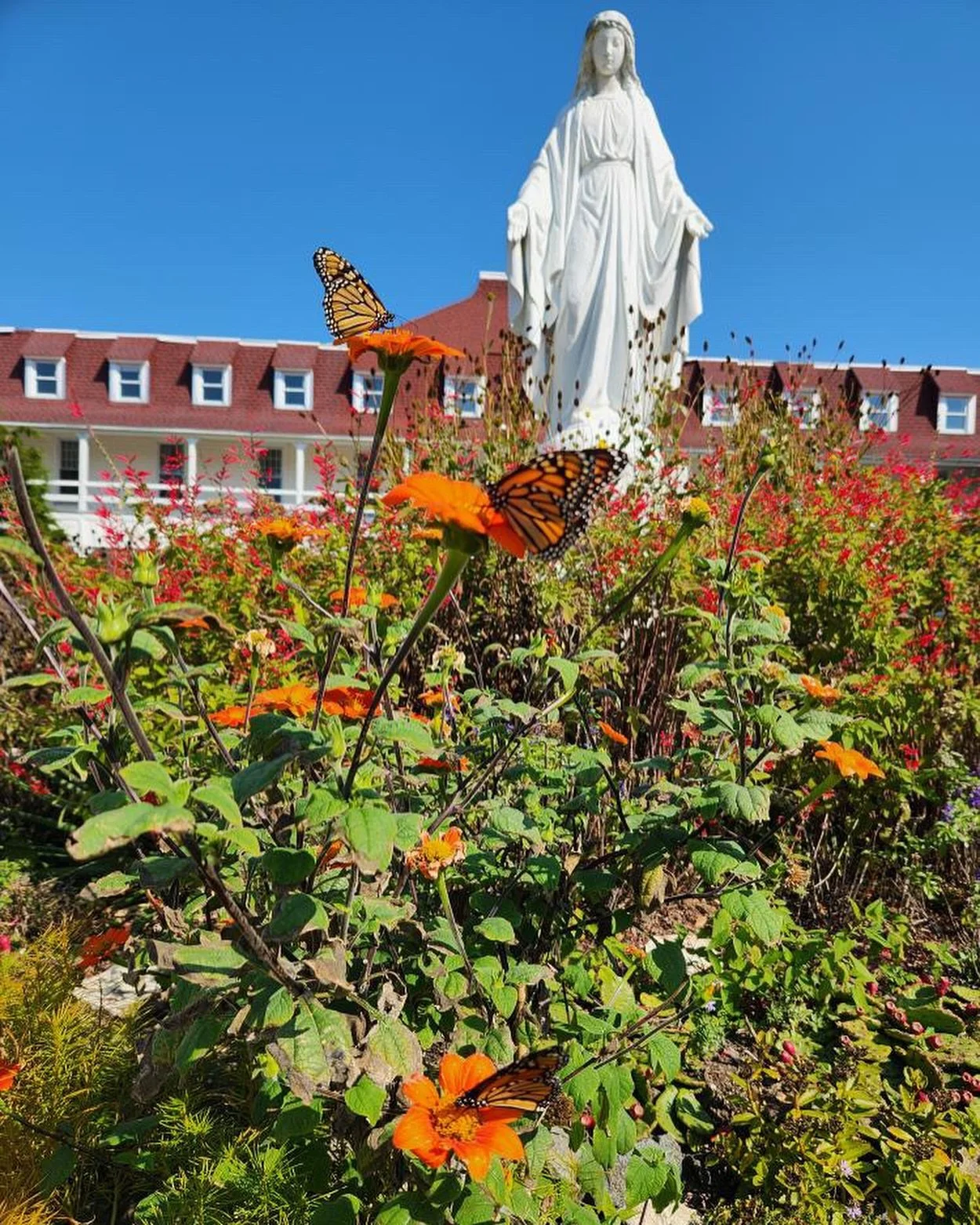
Mother Mary stands at the center of the Native Pollinator Garden
Adopt a Pollinator
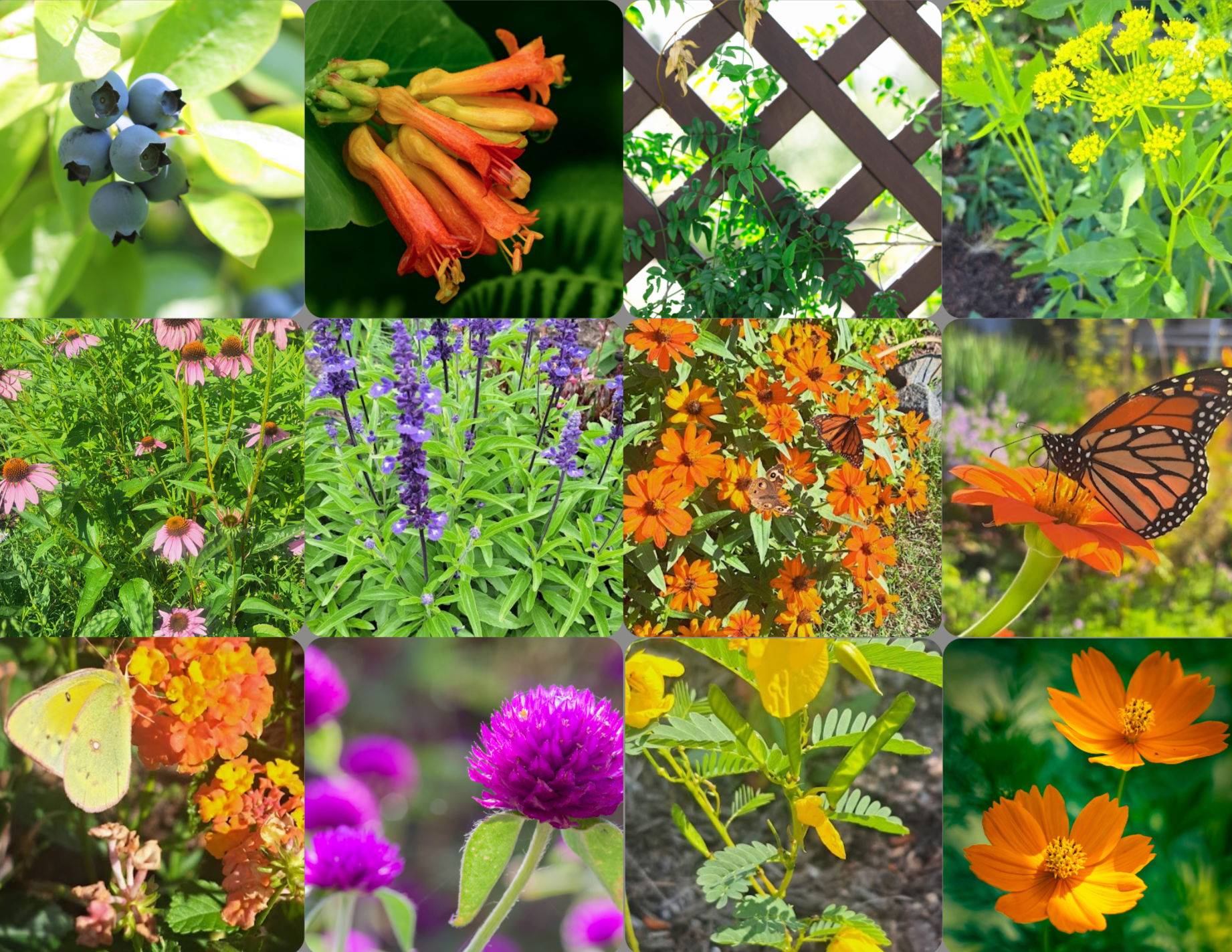
Some of our most nutritious and satisfying foods like fruits, vegetables, coffee, and yes, chocolate, need pollinators to keep us and wildlife well-fed!

The Pollinator Garden at the Cape May Point Arts & Science Center is specifically designed to provide nectar, pollen and habitats for a variety of pollinators.
You can ‘Adopt a Pollinator’ to support them and the Garden through the purchase of a plant. Select a plant from the pollinator menu, and we will plant it with you in mind.Pollinator Garden Scavenger Hunt
Visitors can enjoy the scavenger hunt Thursdays through Mondays from 9:00 a.m. to 2:00 p.m. throughout the season. Search for a visiting pollinator, a friendly garden frog, a woodpecker and more. A donation is required to participate. Registration is not required.
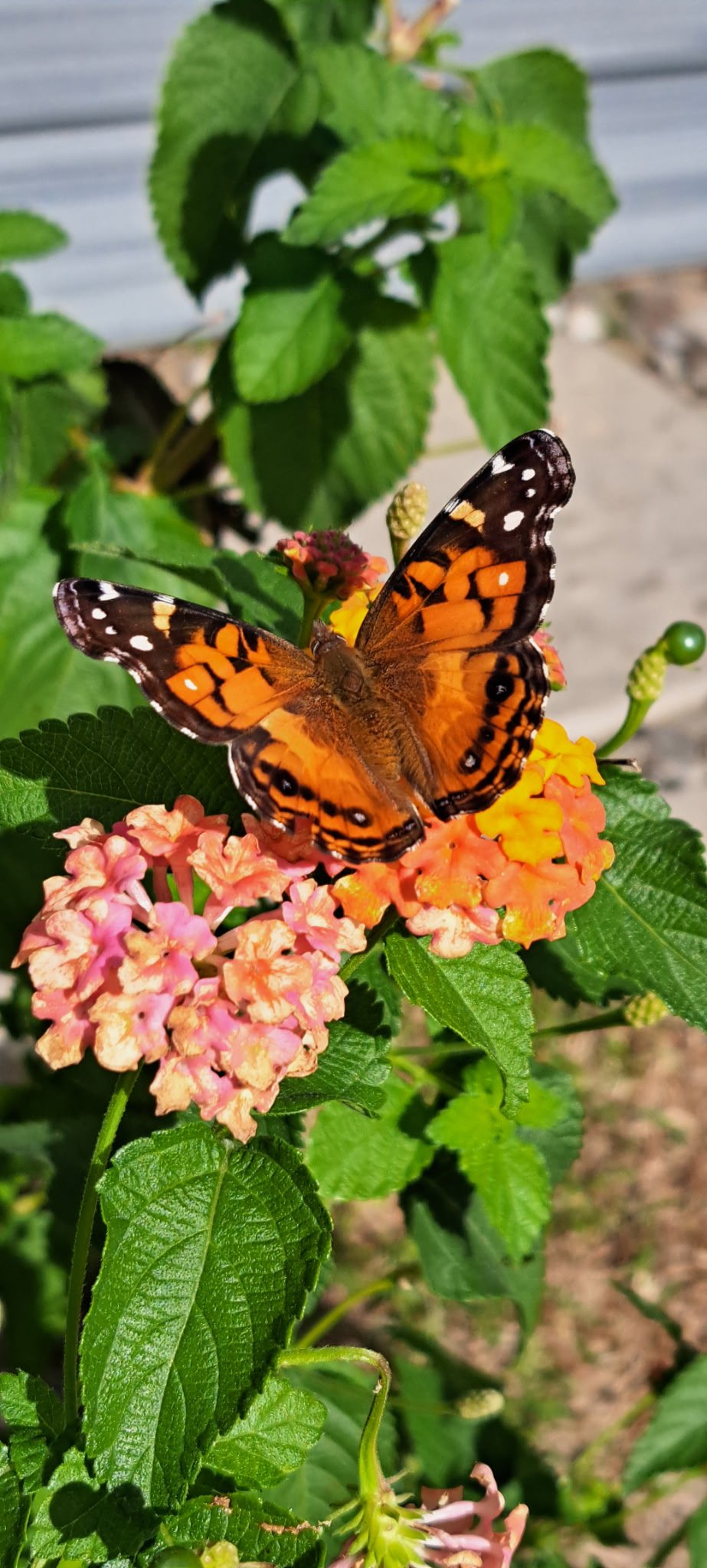
Become a Volunteer
We welcome volunteer gardeners! Tasks include watering the plants and flowers, light weeding, occasional planting and more. Contact info@cmpasc.org for more information on how to become a volunteer.

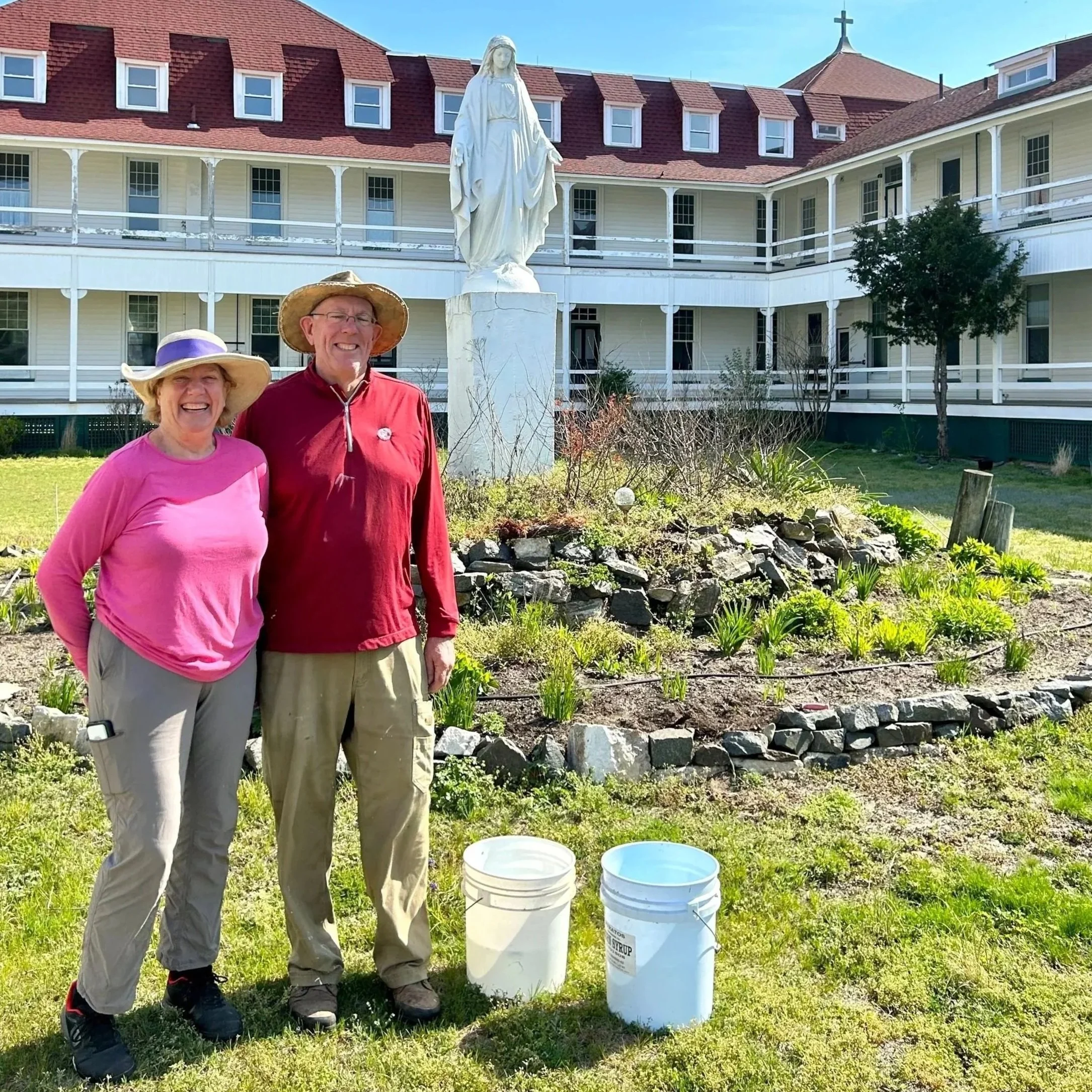
Katie and Mark Bliss
Head Gardeners
Katie and Mark serve as the head gardeners at the Center, following their retirement from Blissful Gardening, a design and maintenance business they operated in Northern New Jersey. Katie has addressed Garden Clubs and Master Gardeners throughout the Northeast and taught courses at the Rutgers Home Gardeners School. Mark joined the business in 2012 after a career on Wall Street, bringing his expertise to their construction and handiwork services. Their connection to the area runs deep: Katie grew up vacationing in Cape May, and both have worked locally on and off for many years.
Learn More About the Native Pollinator Garden