

Marine Science Symposium 2026
The Cape May Point Arts and Science Center will hold its Third Annual Marine Science Symposium May 29th–31st, 2026.
The Cape May Point Arts and Science Center's Marine Science Symposium aims to provide a platform for presenting research, networking, and collaboration within the Mid-Atlantic marine science community. Our mission is to provide a dynamic opportunity for undergraduate students, graduate students, and professionals in the field of marine science to showcase their research, share insights, and make connections.


Symposium Schedule
The Symposium will consist of 3 days of activities.
Friday, May 29th, 2026 - Check-In
3:00pm-6:15pm
Allotted check in time for participants lodging at CMPASC
Poster set up
5:15pm-6:30pm - Networking Reception
Welcome remarks - President Bob Mullock and Cape May Mayor Mullock
Tour of CMPASC
Saturday, May 31st, 2026 -Presentation Day
7:30am-8:35am - Continental breakfast, Check - In, & Poster set up
8:35am-8:45am - Melissa Laurino - Welcome remarks, housekeeping, and data sharing
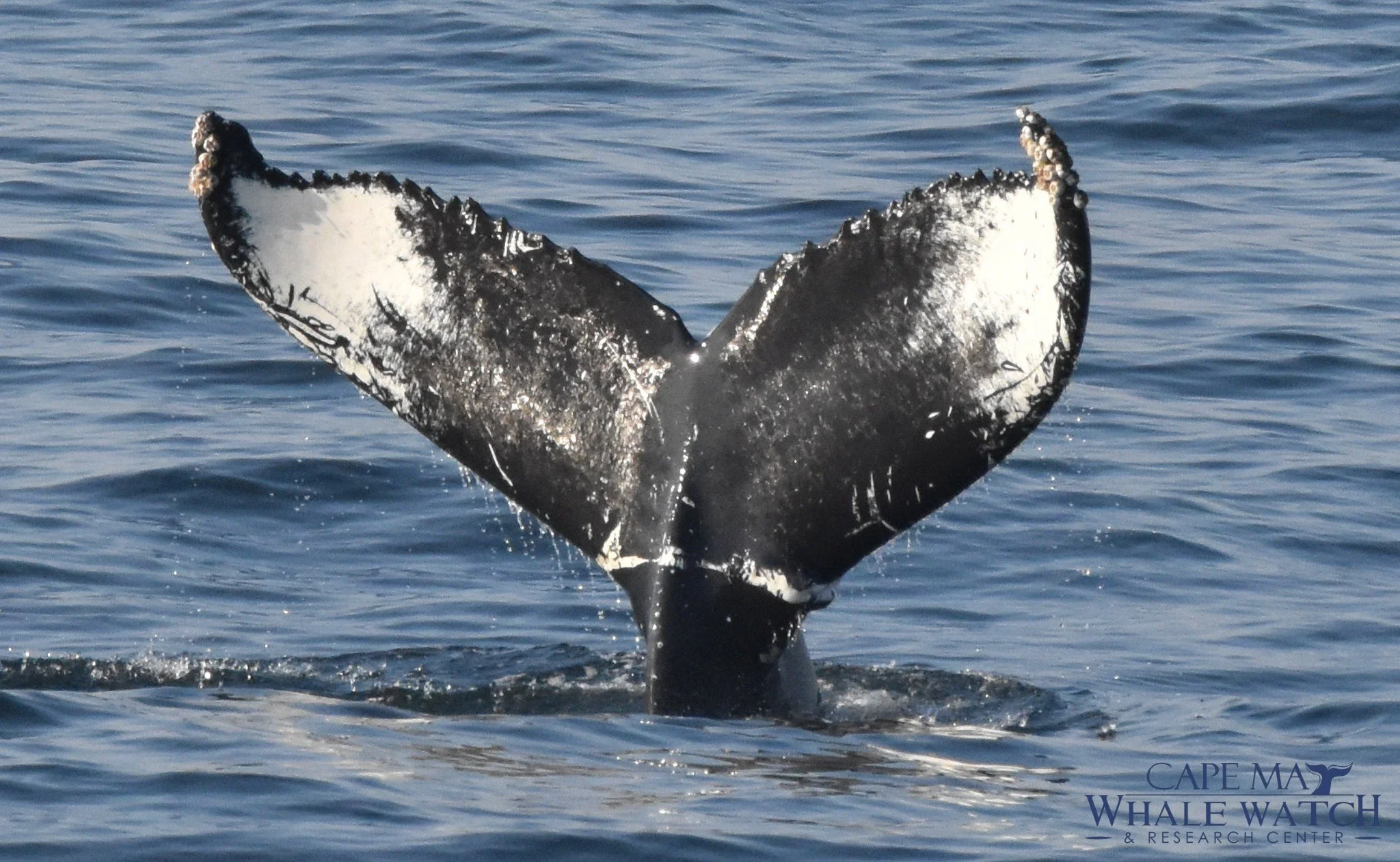
8:45am-9:30am - Keynote speaker - Jessica Aschettino - Baleen Whales in the Mid-Atlantic - Life in the Fast Lane
9:30-10:30am - Oral submission presentations
W. Clifton Baldwin - Analysis of Marine Megafauna Trends from Systematic, Non-Fixed Survey Routes off Cape May, New Jersey (2011-2025)
Melissa Laurino - Preliminary Photo-identification Summary of Tamanend's Bottlenose Dolphin from Dedicated Survey Routes off Cape May, New Jersey
Mackenzie Peacock - Preliminary Evaluation of Weak Link Performance in Commercial Gillnet Operations: A Collaborative Study from New Jersey Waters
Caitlin Pollutri - Climate Change and Florida Manatee (Trichechus manatus latirostris) Distribution
Alexa Hasselman - The potential impact of killer whale (Orcinus orca) predation on endangered Steller sea lions (Eumetopis jubatus) in the Aleutian Islands of the North Pacific
Esaí S. Rosa Cortés - Mitigating Seasonal Coastal Crisis: Sargassum fluitans Polyphenols Against Oxidative Stress via Antioxidant Capacity and Keap1 Protein Binding
10:30am - 10:45am - Coffee Break
10:45am-11:30am - Keynote speaker - Brandi Biehl & Bill Deerr - The Science of Never Giving Up
11:30am-12:30pm - Oral submission presentations
Dana Christensen - Social and Behavioral Dimensions of Marine Recreational Angling: Implications for Fisheries Management and Communication
Jessica Taylor and Hunter Luyber - Mummichog (Fundulus heteroclitus) Abundance in Estuarine Microhabitats of Nacote Creek
Dylan Meier - Deep-Sea Echinoderms From Sunken Wood In The Monterey Canyon, California
Bree Geigel and Lucien Chen - Taxonomy and Diversity of Ophiuroids (Brittle Stars) in Stockton University's Invertebrate Collection
Gabrielle Czyzewski - Taxonomy of Demospongiae (Porifera) from the Indo-Pacific shallow waters
Nina Pelletier - Genetic and Morphological Characterization of a New Deep-Sea Cnidarian Species
12:30pm - 1:30pm - Lunch break
1:30pm - 2:15pm - Keynote Speaker - Tom Reed - Cape May Springwatch: Charting a Changing Season at Land’s End
2:15pm-3:15pm - Oral submission presentations
Clay Sutton - Winter Raptor Community Changes Linked to Sea Level Rise Along the New Jersey Delaware Bayshore: A 35-year Study (1987-2022)
Paul Kerlinger - Sea Level Rise, Habitat Loss, and the Decline of Dabbling Ducks on the Tidal Maurice River of Southern New Jersey: A 35-Year Study
Andrew Kleiner - The Philadelphia Microplastic Action Coalition
2:45pm - 3:00pm - Coffee Break
3:00pm-3:45pm - Discussion Panel with our Keynotes - Student submitted questions
3:45pm - Group photo in courtyard !
4:00pm-6:30pm - Poster session, tabling session, networking, and announcement of student awards.
Sunday, May 31st, 2026 - Check-out & Group Activity
8:00am-9:00a - Check out
10:00am- 12:00pm - Morning Dolphin Watch with the Cape May Whale Watch and Research Center
Meeting time and location: 9:30am at 1231 Rt. 109 (South Jersey Marina), Cape May, NJ 08204
Located behind the Lobster House restaurant sign, the vessel is the American Star
Accommodation can be arranged at the Cape May Point Arts and Science Center for the duration of the event.
Keynote Speakers
-

Jessica Aschettino
Jessica Aschettino is a marine scientist with 25 years of marine mammal experience. She is a Senior Marine Scientist with HDR Inc a working on the US Navy’s Marine Species Monitoring Program. She has extensive field experience, particularly small-boat work including photo identification, biopsy sampling, and the remote deployment of satellite tags. She is also a certified FAA Part 107 drone pilot. The majority of her early research focused on tropical odontocetes with her graduate thesis looking at population size and structure of melon-headed whales in Hawai‘i. Since joining HDR, her research efforts have focused on humpback whale monitoring in the Mid-Atlantic as well as the study of offshore species, including sperm whales and fin whales, in addition to North Atlantic right whales.
-
Brandi Biehl & Bill Deerr
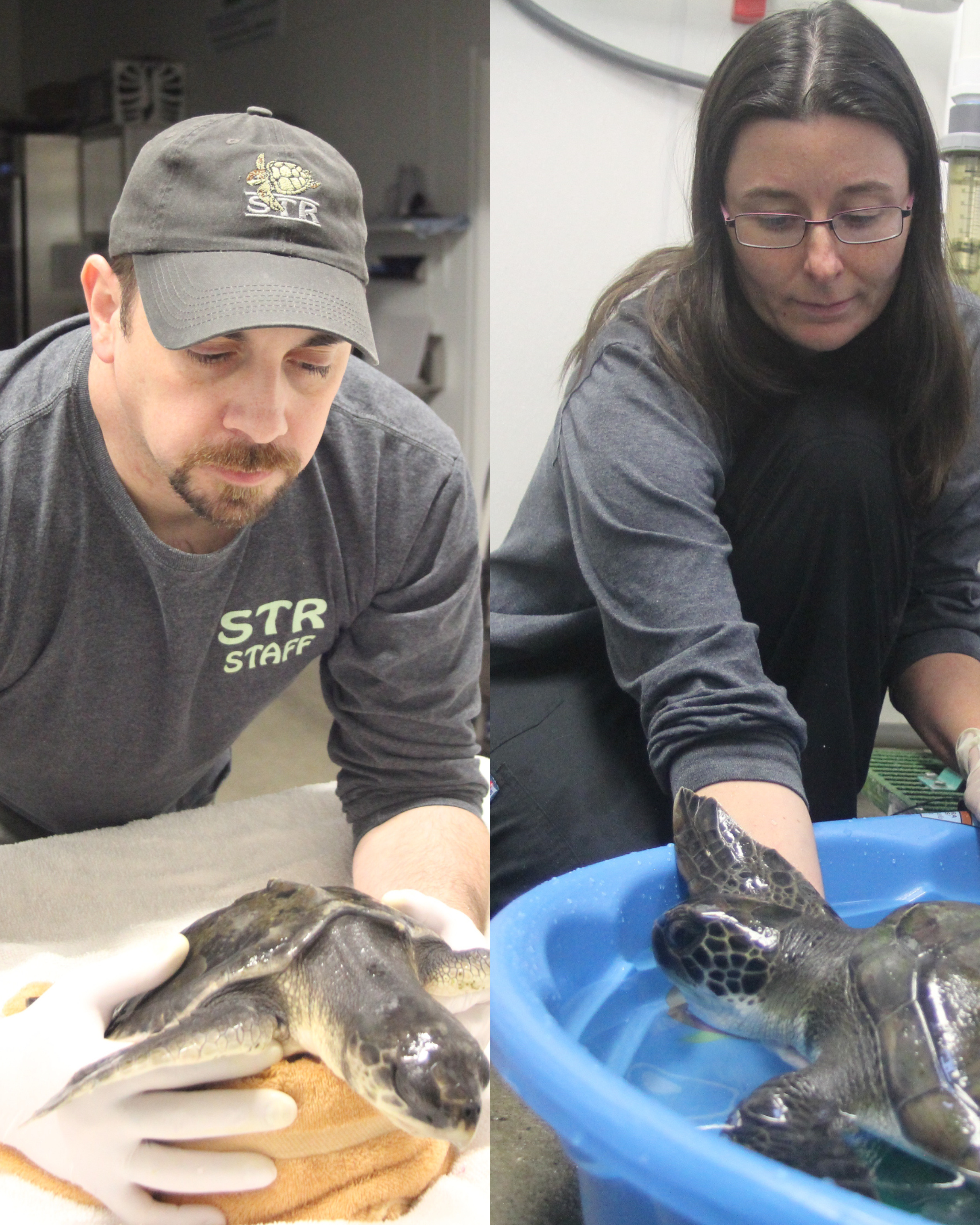
Brandi Biehl studied Marine Science at Coastal Carolina University, where she conducted undergraduate research on bottlenose dolphins, and later worked as an Assistant Ranger at Hammocks Beach State Park focusing on education and sea turtle nest protection. Bill Deer earned his Marine Science degree from Stockton University, where he researched the seals of Great Bay, New Jersey. The two met while working as stranding technicians at the Marine Mammal Stranding Center before co-founding Sea Turtle Recovery, a nonprofit sea turtle hospital located at Essex County Turtle Back Zoo that provides long-term rehabilitation for sea turtles throughout New Jersey.
-
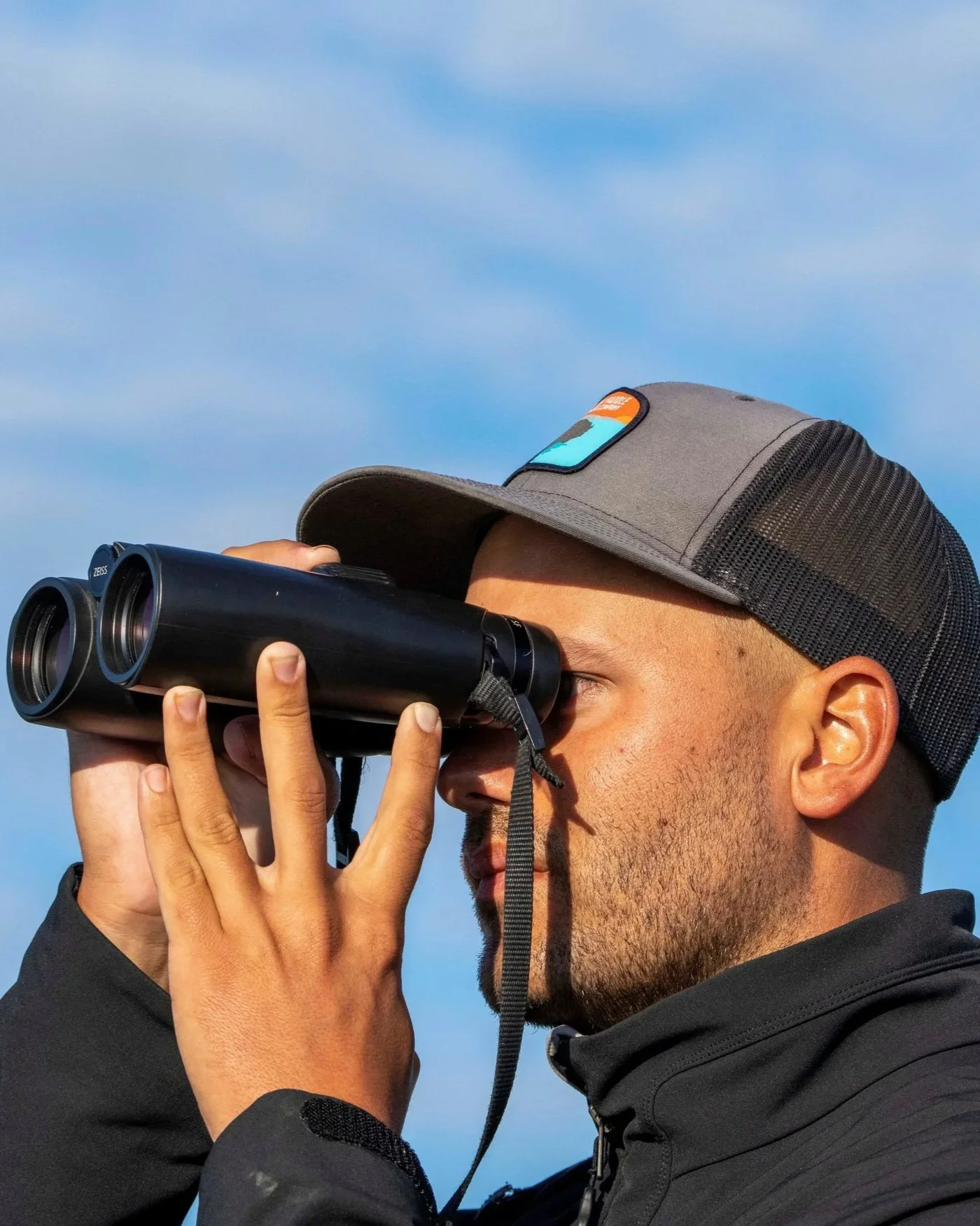
Tom Reed
Tom Reed has directed the migration monitoring projects of New Jersey Audubon’s Cape May Bird Observatory since 2015. He oversees the operations of five season-long migration watches, which cumulatively collect data on approximately 2 million individuals of 250+ bird species each year. Additionally, he co-leads the Cape May Monarch Monitoring Project, which has kept tabs on Monarch butterflies in Cape May since 1990. Tom also serves as the avian naturalist with the Cape May Whale Watch & Research Center, is a frequent contributor to various publications, and is an instructor at the Hog Island Audubon Camp in Maine. He initiated and still compiles the Cape May Annual Bird Report, a full accounting of the ca. 350 species found in the county each year and the only effort of its kind in North America. Tom earned his Bachelor of Science degree in Environmental Policy, Institutions, & Behavior from Rutgers University.
Program Moderator
-
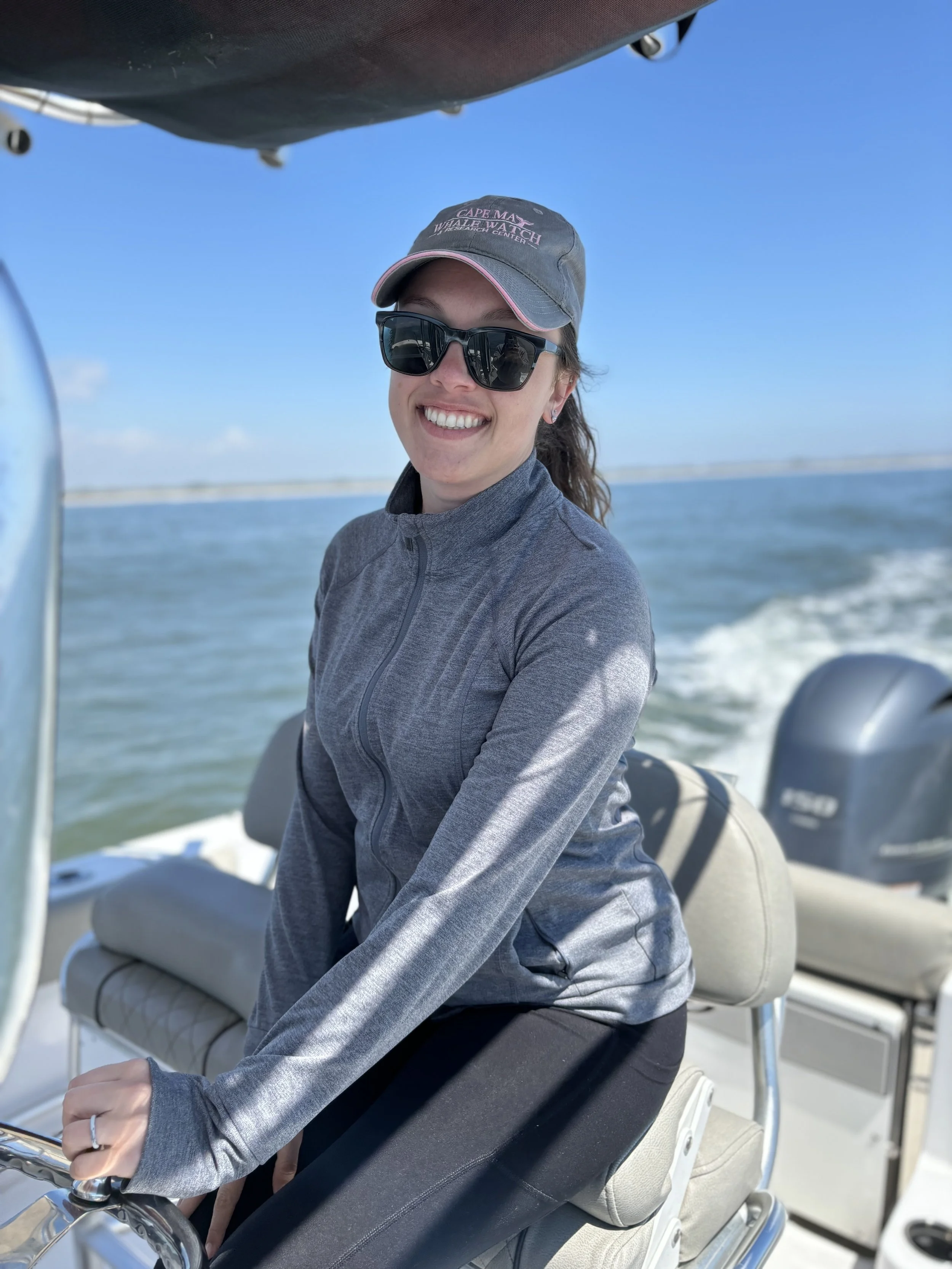
Melissa Laurino
Melissa Laurino serves as the Research Director and a USCG 100-ton Master Captain with the Cape May Whale Watch and Research Center and Cape May Marine Mammal Research Center. She is a graduate of Stockton University with a Bachelor of Science and Master of Science in Marine Biology and Data Science and Analytics. She studies our local Cape May populations of marine mammals and curates our Bottlenose Dolphin, Humpback Whale, and pelagic species catalogs using photo-identification.
Abstracts are listed in alphabetical order.
Bold font indicates the primary presenter. An asterisk* indicates a student presenter.
For a full list of author affiliations, please scan the QR code for the abstract booklet.
Oral Presentation Abstracts
-
Preliminary Analysis of Marine Megafauna Trends from Systematic, Non-Fixed Survey Routes off Cape May, New Jersey (2011-2025)
Clifton Baldwin, Melissa Laurino
The Cape May Whale Watch & Research Center has been collecting data on marine megafauna sightings since 2011. Over this period, data were collected during more than 4,640 ecotours off Cape May, New Jersey, providing a long-term dataset of the various marine inhabitants and seasonal visitors. The ecotour serves as a platform for scientific opportunity, with crew trained in systematic data collection techniques. The dataset includes quantitative and linked photographic documentation from over 11,800 observations spanning multiple major taxonomic groupings including Odontoceti, Mysticeti, Phocidae, Chondrichthyes, Actinopterygii, and Cheloniidae. While survey routes vary considerably under a platform-of-opportunity approach, data collection protocols were implemented and refined over time to ensure consistency and support rigorous reuse. Animals have been recorded in all operational months (February-December), enabling assessment of intra-annual patterns in species occurrence. Preliminary analyses indicate seasonal trends in the presence of several taxa, as well as associations with environmental conditions. Future work will expand the analysis among the other groups and continue photo-identification catalogs for odontocetes and mysticetes to support population-level and residency analyses.
-
Social and Behavioral Dimensions of Marine Recreational Angling: Implications for Fisheries Management and Communication
Dana Christensen
Effective fisheries management depends on stakeholder participation, trust, and shared understanding. Recreational saltwater anglers are often treated as a single, uniform group. In reality, they represent a diverse community with different experiences, behaviors, and perspectives. I examined anglers in a localized Mid-Atlantic region to better understand their perceptions, knowledge, trust, fishing behaviors, and use of technology. I conducted an anonymous, IRB-approved survey with 783 participants, recruited through multiple pathways. Using descriptive statistics and exploratory factor analysis, I explored both surface patterns and deeper dimensions of angler responses. Building on earlier presentations of this research, this talk shares the current stage of the study and outlines where the work is heading next. Findings reveal ‘types’ of anglers and patterns such as: anglers report strong confidence in their hands-on, experiential knowledge of fishing, yet demonstrate lower understanding of fisheries governance. Trust also varies significantly. Anglers tend to trust independent researchers and fellow anglers more than federal management institutions. We identified two complementary ways to understand this community. First, behavioral-experiential types, based on where and how people fish such as nearshore recreational, intertidal, and offshore anglers. Second, cognitive-perceptual dimensions, which highlight differences in practical knowledge, understanding of biological systems and governance, and levels of institutional trust. How anglers were recruited into the study was significantly associated with these profiles. This suggests that anglers operate within segmented information ecosystems, where access to knowledge and trust in institutions can vary widely. Overall, these findings challenge the idea that anglers are a monolithic group. Recognizing this diversity can help improve communication strategies, inform technology design, and support more collaborative management approaches. Ultimately, this work also highlights opportunities to strengthen citizen science efforts and build a more integrated understanding of fisheries, supporting long-term ecosystem awareness and sustainability.
-
Taxonomy of Demospongiae (Porifera) from the Indo-Pacific shallow waters
*Gabrielle Czyzewski, Kelly Warner, Camilla Alves Souto, Cristiana Castello Branco
The shallow waters of the Indo-Pacific Ocean are known for harboring an immense biodiversity of organisms, specifically sponges (Porifera). An expedition conducted by the National Institute of Health (NIH) collected six species of sponges with potential medicinal properties from Thailand and Papua New Guinea. This project aims to identify, classify and describe those specimens, so that their names can be linked to the biomedical compounds described by the NIH. All samples were deposited at the Smithsonian National Museum of Natural History. Skeleton preparations, imaging and identifications followed standardized taxonomic protocols. To date, the classification of all 6 specimens have been narrowed down to a low taxonomic level. Three specimens of the order Axinellida were identified in the family level: the Thrinacophorinae has a smooth, paper-like surface and massive shape, and spicules are oxeas, styles, and rarely subtylostyles; and two Axinellidae, one with a smooth, massive cylindrical shape, oxeas, raphidiform oxeas, and rarely styles; and the other specimen has a dichotomous branching body-shape, with worm-like strongyles and styles. A fourth specimen was identified in the genus Wigginsia (family Acarnidae, order Poecilosclerida) by having choanosomal tylotes and acanthostrongyles. The fifth specimen was identified in the genus Acanthodendrilla (family Dictyodendrillidae, order Dendroceratida) by having a massive to repent shape with a conulose/corrugated surface. It has no spicules, but instead a reticulate fibrous skeleton, where the fibers are filled with foreign spicules/detritus. The last specimen was identified as genus Haliclona (Halichoclona) (family Chalinidae, order Haplosclerida) by having a massive shape with a rugose/honeycombed surface, along with oxeas and sigmas. All sponges will be identified to the lowest taxonomic unit possible and new species, if present, will be named and described.
-
The potential impact of killer whale (Orcinus orca) predation on endangered Steller sea lions (Eumetopis jubatus) in the Aleutian Islands of the North Pacific
*Alexa R. Hasselman , Michelle LaRue, Kim Goetz
Steller sea lions experienced drastic declines in the 1970’s, which led to their enlistment as threatened through the Environmental Species Act (ESA). In 1997, the species was split into a western distinct population segment (WDPS) and an eastern distinct population segment (EDPS) based on genetic differences. The EDPS has since been delisted from their threatened status due to 30 years of recovery, but the WDPS was relisted as endangered and is still experiencing regional declines. One potential threat to the population is predation from transient killer whales. Transient killer whales have been known to consume marine mammals and hypothesized to alter ecosystems based on top-down forcing. There has been limited data on killer whale predation in the Aleutian Islands, especially in the more remote western regions where Steller sea lions are still experiencing declines. In this project, I assess regional variations in killer whale presence and predation using passive acoustic monitoring and remote camera monitoring. There was greater killer whale presence at Ugamak and Ulak, which correspond to sites with negative Steller sea lion count trends. There was some indication that killer whale presence and predation was greater during the summer period, especially during the Steller sea lion pupping period. To compare regional differences, the data was modelled using generalized addition models (GAMs). Killer whale presence was correlated with sea surface temperature, hour of day, breeding season, and pup count, although the model only explained a small amount of variation. The results of this study contribute to knowledge of killer whale presence at Steller sea lion colonies in the remote regions of Aleutian Islands, but further research is needed to support trends due to limitations of the data.
-
Taxonomy and Diversity of Ophiuroids (Brittle Stars) in Stockton University's Invertebrate Collection
*Bree Geigel, *Lucien Chen *Dylan Meier, Camilla Alves Souto
Echinoderms are characterized by pentaradial symmetry in adults, and a stereom composed of a calcium carbonate exoskeleton woven together by connective tissue. Possessing a water vascular system, they circulate water through internal canals to facilitate movement, feeding, and other essential biological functions. The class ophiuroidea contains over 2,000 species across approximately 33 families. This remarkable diversity reflects their wide geographical distribution, and brittle stars play important ecological roles by stabilizing sediment, recycling nutrients, and contributing structural complexity to benthic habitats. The purpose of this project is to improve Stockton’s teaching collection by curating and refining the identifications of brittle star specimens. External morphological characteristics such as disk ornamentation, the number and shape of arm spines and mouth structures, such as oral and apical, papillae were examined under the dissecting microscope. Specimens are primarily preserved in 75% isopropanol or ethanol. Currently, Stockton's collection contains 28 specimens representing 7 families, 9 genera, and 13 species. Important collection information, such as date and locality is unavailable, except for one species collected in the Great Bay Mullica River Estuary in October 2023 by Invertebrate Zoology students. The specimen was collected using a dredge near an oyster bed and identified as Microphiopholis atra (family Amphiuridae). Ophiurod classification update include: Ophiuridae; Ophioplocus; Ophiophragmus; Ophiactis; Ophiopholidae, Ophiopholis; Ophiocoma cf. echinata; Ophioderma cinereum; and Microphiopholis atra. All species are still being identified and reviewed. The ophiuroid collection is essential to the Invertebrate Zoology course and serves as a vital tool for training students in taxonomic research.
-
Sea Level Rise, Habitat Loss, and the Decline of Dabbling Ducks on the Tidal Maurice River of Southern New Jersey: A 35-Year Study
Paul Kerlinger, Clay Sutton, Karla Rossini, Tom McKee
We conducted a 35-year (1987-2022) study of wintering dabbling ducks in two tidal sections, of the Maurice River between Delaware Bay and Union Lake Dam in Millville, Cumberland County, New Jersey. North of the Mauricetown Bridge American Black Duck declined by 83.4%, Mallard by 74.9% and Northern Pintail by 51.9%. South of the bridge, these species declined 62.4%, 43.1%, and 0.8% (ns), respectively. We used NJDEP aerial photographs and Google Earth Pro to determine changes in valuable marsh vegetation and invading Phragmites australis north of the bridge, as well as major vegetation changes south of the bridge. North of the bridge between 1970 and 2015 we found that duck declines coincided with sea level rise, as well as a decline of valuable marsh vegetation (36.6%) and an increase in Phragmites from 1.2 ha to 163 ha. Phragmites displaced 23.3% of valuable marsh vegetation. These changes are best explained by sea level rise including higher tides and storms, causing erosion and higher salinity in valuable marsh vegetation. For the southern section of the river, sea level rise also explains the loss of habitat, mostly Spartina patens (now Sporobolus pumila) through loss of agricultural dikes, as well as land subsidence and replacement by mudflats and open water. A confounding factor in this decline of birds is short-stopping during fall migration at more northerly latitudes, a result of climate warming. Research is needed on other Atlantic Coast rivers to determine if these dabbling duck declines are occurring elsewhere and if SLR explains such declines, as well as loss of valuable marsh vegetation.
-
The Philadelphia Microplastic Action Coalition
Andrew Kleiner, Tracey Curran Patrick, Zach Nemec
The presence of microplastics is well documented in the waterways of the Delaware Estuary. Less data exists regarding their occurrence in adjacent terrestrial ecosystems and their potential movement into aquatic ecosystems and food webs. This project investigates terrestrial microplastic contamination across six watersheds in the Upper Delaware Estuary region of southeastern Pennsylvania, focusing on sites in Philadelphia and Bucks Counties. Working through the newly formed Philadelphia Microplastic Action Coalition (PMAC), the Academy of Natural Sciences of Drexel University, Sea Grant, NOAA, and community partners combine research, education, and community science to better understand sources and patterns of plastic contamination. At one site in each watershed, research plots will be established in comparable forested areas. Within these plots, samples will be collected from multiple environmental matrices, including tree sap, wood cores, soils, and spotted lanternflies. Samples will be digested in KOH, filtered, and examined using a novel fluorescence technique for microplastic occurrence and identification. Resulting data will be used to generate a regional heat map of terrestrial microplastic contamination. This project’s methodology is designed to support historically disadvantaged communities through coalition building, public education, and community-based participatory research. By linking terrestrial contamination patterns to broader marine debris concerns, the project expands current understanding of how land-based plastic pollution may enter estuarine ecosystems. The findings will provide a foundation for targeted mitigation strategy development, future monitoring, and locally grounded efforts to reduce microplastic pollution in the Delaware Estuary region.
-
Deep-Sea Enchinoderms From Sunken Wood in the Monterey Canyon, California
*Dylan Meier, Luciana Martins, Cristiana Castello, Camilla Souto
In 2011, a Monterey Bay Aquarium Research Institute expedition deployed 28 wood bundles at 3,100 meters in Monterey Canyon to investigate wood-fall communities. The bundles represented 10 wood species with differing physical structures and were recovered after two years. Our goal is to identify and describe the echinoderms collected. Preliminary identifications were based on external morphology and SEM images of ossicles. Mitochondrial and ribosomal genomes obtained through shotgun sequencing are currently being sequenced to refine identifications. Twenty conspecific crinoids were recovered from eight wood species. Specimens are unstalked, with conical centrodorsal, polar area with stereom deposition and lacking cirri sockets, 10 arms, first syzygy at br3+4, second at br9+10, subsequent syzygies separated by five muscular articulations, (Ibr1/2) joined by synarthy. Two specimens of Xyloplax were recovered from palm wood. Seventy-six ophiuroids were collected, with Amphiura carchara occurring in nine wood species, Ophiacantha bathybia in eight species, and Ophiambix aculeatus in four species. Several A. carchara individuals contained eggs in their bursae, indicating reproductive activity. Amphiura carchara and O. bathybia have been reported from this region or adjacent waters, whereas O. aculeatus has not previously been documented from the continental U.S. coast. Two Xyloplax species occur in the eastern Pacific, and the recovered specimens may represent one of these. To date, only O. aculeatus and Xyloplax are known to be associated with and to feed on wood. Branching wood bundles supported greater echinoderm richness than trunk logs, likely due to increased surface area and habitat complexity.
-
Preliminary Evaluation of Weak Link Performance in Commercial Gillnet Operations: A Collaborative Study from New Jersey Waters
Mackenzie Peacock, Matthew Heyl, Peter Clarke, Jeffrey Brust
To mitigate the risk of serious injury and mortality to marine mammals associated with commercial gillnet fisheries, New Jersey Marine Resources Administration undertook a collaborative gear research study with commercial gillnet vessels. The primary objective was to assess the performance and effectiveness of experimental gear modifications, specifically, the incorporation of weak links, relative to standard (control) gear. This study focused on understanding how three different weak link configurations affect gear performance during haul back operations. From April 2024 throughout May 2025, six commercial vessels conducted over 1,500 fishing sets using both experimental and control gear types. Fewer than 1% of sets reported gear malfunctions. Preliminary results suggest that weak links, when properly configured, maintain gear integrity while potentially reducing the risk of entanglement-related injury to marine mammals. Ongoing statistical analyses aim to further evaluate the performance of weak link configurations and their implications for bycatch mitigation in gillnet fisheries.
-
Genetic and Morphological Characterization of a New Deep-Sea Cnidarian Species
*Nina Pelletier, April Stabbins, Erik Cordes
The deep sea is considered the largest habitable space on Earth, yet much remains unexplored. With such vast unexplored areas, there is an incredible amount of biodiversity that is still unknown. With ocean exploration technologies advancing, scientists now have the tools to explore uncharted areas of the deep sea, including areas where the release of subsurface gases creates environments that sustain dense and diverse chemosynthetic communities called methane seeps. Lacking sunlight, these areas house unique fauna whose source of energy is derived from the oxidation of chemical species. In particular, the subducting seamounts along the convergent Costa Rica margin facilitated by tectonic interactions result in methane seep communities that have yielded a considerable number of previously unknown species. Here, a new species of Anthoethecate hydroid is described from the periphery of these methane seep communities, found during the exploratory expedition by the R/V Falkor in 2019. Found at the deepest location sampled during this expedition, this species was found attached to the outside of a vestimentiferan tubeworm. Although the discovery of novel deep-sea taxa is anticipated due to largely unmapped biodiversity, this specific find potentially warrants the establishment of a new genus in the Tubiclavoidae family. It is crucial to understand deep-sea biodiversity to protect these communities as they are increasingly targeted and exploited for resources.
-
Climate Change and Florida Manatee (Trichechus manatus latirostris) Distribution
*Caitlin Pollutri, Rachel M. Loughran, Elizabeth Sargent
The Florida manatee (Trichechus manatus latirostris) is a subspecies of the herbivorous West Indian Manatee, and it is endemic to the warm, shallow waters surrounding Florida. Since water temperature is a significant determinant in habitat availability for the Florida manatee, the species migrates ahead of the winter season toward the equator to ensure it remains in warmer waters. However, global sea surface temperatures are rising as a result of climate change, potentially leading to a shift in the Florida manatee’s distribution. This research aims to examine whether and to what extent the Florida manatee’s distribution is shifting in response to warming habitat. Florida manatee occurrence records were obtained from the Global Biodiversity Information Facility (GBIF), with most of the raw data originating from human observations uploaded to iNaturalist. Global sea surface temperature data from the University of Maine was compared to occurence data to assess differences over time. Results indicate an overall northern shift in the Florida manatee’s distribution from 1910-2025. The largest number of occurrences north of Florida was apparent in the 2010-2024 period. Additionally, global sea surface temperatures have significantly increased every year from 1981-2024. Thus, the northern distribution shift in the Florida manatee coincides with warming sea surface temperatures. The key potential reason for the northern migration is the goal of finding cooler waters more suitable to the Florida manatee’s life history, but more research is needed to quantify this relationship. As oceans heat faster and faster each year, it is crucial to better understand the behavior of the Florida manatee to best inform our actions as one of its most influential terrestrial neighbors.
-
Mitigating Seasonal Coastal Crisis: Sargassum fluitans Polyphenols Against Oxidative Stress via Antioxidant Capacity and Keap1 Protein Binding
*Esaí Rosa-Cortés, Yelitce Reales-Pérez, Jeremy Rivera-Sánchez, Liz Díaz-Vázquez, Diana Rodríguez-Pérez
Coastlines worldwide have been experiencing unprecedented inundations of sargassum, a genus of brown macroalgae. The massive accumulation of this invasive algae has led to an environmental and public health crisis, causing significant harm to marine ecosystems and posing immediate health hazards. However, a promising solution lies within this challenge. Sargassum possesses a complex chemical defense system, synthesizing secondary metabolites, such as polyphenols, that enable it to withstand high-stress marine environments. This study investigated the sustainable repurposing of Sargassum fluitans as a source of bioactive polyphenols to reduce oxidative stress, a primary driver of chronic disorders, through a dual-action mechanism: direct radical scavenging and activation of the Nrf2 cell-protecting pathway. Collected Sargassum fluitans biomass was washed, ground, and its phenolic compounds were isolated using Accelerated Solvent Extraction with ethanol and methanol. To establish its antioxidant property, the isolated fractions were subjected to in vitro scavenging assays. Gas chromatography-mass spectrometry (GC-MS) characterized a complex chemical profile including phenols and sterols. Finally, in silico molecular docking evaluated the cytoprotective potential of the identified polyphenols against the Keap1 protein, regulator of the Nrf2 pathway. Results indicated that while the methanol solution contained more volatile phenolic compounds, the ethanol solution exhibited higher antioxidant activity (~50% scavenging). This suggested that ethanol sequesters more effectively non-volatile, less polar phenols that contribute highly to antioxidant capacity, but remain undetected by GC-MS. Lastly, binding affinities of multiple polyphenols (-7.80 kcal/mol, -7.91 kcal/mol) demonstrated superior cytoprotective potential over FDA-approved drug and known Nrf2 activator, Omaveloxolone (-6.25 kcal/mol). These findings support the broader impact of this work: to validate a scalable, cost-effective framework for transforming hazardous marine biomass into bioavailable, potent pharmacological agents.
-
Winter Raptor Community Changes Linked to Sea Level Rise Along the New Jersey Delaware Bayshore: A 35-year Study (1987-2022)
Clay Sutton, Paul Kerlinger
We surveyed 14 species of the wintering raptor and vulture community at 18 point count locations during December-February 1987-2022 on the Maurice (233 days, 2097 point counts) and Cohansey (63 days, 567 point counts) rivers and adjacent habitat on the Delaware Bayshore, Cumberland County, New Jersey. This long-term study is one of the first to relate synchronous changes in winter abundance within foraging guilds to climate change (warming and sea level rise [SLR]). Synchronous and significant changes were found on both rivers in two of three foraging guilds. Abundance of scavengers (Black Vulture, Turkey Vulture, and Bald Eagle) increased greatly, whereas small mammal-eaters (Northern Harrier, Red-tailed Hawk, Rough-legged Hawk and American Kestrel) declined. The bird-eating guild did not show synchronous or significant trends within or among species between rivers. We hypothesize that increases in the guild of scavengers was a result of climate warming with migrants wintering at higher latitudes. Warming has allowed species to winter farther north by decreasing energy requirements during formerly colder months. Similarly, it is also possible that increased availability of road-kills, a result of increased vehicular traffic from growing tourism, provides more foraging opportunity. For the small mammal-eating guild we hypothesize that SLR has inundated and extirpated high marsh habitat (mostly Sporobolus pumila [formerly Spartina patens]) where meadow voles (Microtus pennsylvanicus) are most common in Delaware Bayshore salt marshes. With less high marsh, there are fewer voles for raptors to hunt. Thus, SLR is inundating and eroding high marsh along the Bayshore via higher tides and greater salinity levels. SLR has also caused the decline of several other high marsh bird species on the Bayshore.
-
Mummichog (Fundulus heteroclitus) Abundance in Estuarine Microhabitats of Nacote Creek
*Jessica Taylor, *Hunter Luyber, Dana Christensen
The Mullica River in southern New Jersey supports a diverse community of small forage fishes, including the mummichog (Fundulusheteroclitus), a killifish species notable for its resilience to fluctuations in temperature, depth, and salinity. Mummichogs play a key role in estuarine food webs, providing abundant forage for various birds, crustaceans, and larger fish, while also contributing to nutrient cycling and the overall productivity of marshes and estuaries. Because estuarine shorelines are increasingly altered by human activities, even minor modifications may influence the distribution of resident species. Such alterations may change the quantity or type of microhabitats available, such as vegetation, submerged structures, or bare sandy bottoms, which provide foraging areas and refuge for mummichogs, potentially affecting the species' habitats. This study examines whether the average abundance of mummichogs varies among different microhabitats along Nacote Creek, a tributary of the Mullica River in Port Republic, New Jersey. Minnow traps are deployed weekly across five sampling sites at the Stockton Marine Science Field Station and retrieved within 48 hours. Captured fish are identified, measured, and counted, while invertebrates are identified and recorded, and water quality and hydrological parameters are documented. Mean mummichog abundance is compared across locations. Current sampling employs handheld instruments; however, the future incorporation of advanced instrumentation. Because mummichogs are both ecologically important and reliable indicators of estuarine health, understanding how their populations respond to various human-influenced microhabitats provides insight into the broader impacts of shoreline development on estuarine ecosystems and supplies essential baseline data for long-term monitoring of ecological change.
Poster Presentation Abstracts
-
A Multi‑Method Analysis of Nitrate Dynamics in a Compromised Estuary System Across Urbanized and Protected Areas in Ocean County, New Jersey
*Gillian Alcid
Nitrates are essential nutrients that play a vital role in the ecosystem. However, anthropogenic influences such as fertilizer in runoff can cause a nitrate overabundance, leading to deadly illnesses and long-term damage to water bodies. Water quality management is necessary for keeping the health of local citizens and water bodies in check. This study focuses on evaluating the accuracy of colorimetry and spectrophotometry for nitrate quantification, precipitation effects, salinity influences, and urbanization metrics. Water body and precipitation samples were collected from nine sites in various Ocean County townships and analyzed using a zinc reduction method, followed by colorimetry and spectrophotometry. A calibration line was created in order to convert absorbance to concentration to allow for comparison between methods. Statistical testing showed that the handheld colorimeter consistently underestimated nitrate concentrations by approximately 3.61 ppm compared to the spectrophotometer (p < 0.001), indicating low accuracy but similar precision. Nitrate levels rose slightly after rainfall, but the increase was not statistically significant. Nitrate in precipitation itself had no significant relationship with change in water body nitrate level. Conductivity had a significant, strong inverse relationship with nitrate concentration (r = –0.581, p < 0.001). Urbanization metrics (population, latitude, and impervious surface coverage) showed only weak to moderate correlations and no significant relationships with nitrate levels (all p > 0.201). The data collected in this project demonstrates that urbanization and precipitation were insignificant contributors to nitrate level, but salinity is likely to influence nitrate levels.
-
Study of the Foraging Behaviors of the Blue Crab in Submerged Aquatic Vegetation
*Isabella Cellini-Winters
As eelgrass bed populations are declining in Barnegat Bay, this may affect the population of the blue crab (Callinectes sapidus). Blue crabs are often found within the eelgrass beds of Barnegat Bay and do most of their foraging within them. This study examines the foraging behaviors of the blue crabs within submerged aquatic vegetation and without. If eelgrass beds in Barnegat Bay continue to decline, then blue crabs will see reduced foraging success and decreased population, because the loss of aquatic vegetation limits both their preferred foraging habitat and the availability of prey species commonly found within eelgrass ecosystems. For a controlled time of 30 minutes, crabs were observed and timed (in seconds) for how long they remained in an area. Crabs were rotated equally during each observation to conduct a thorough study. A Student’s T-test was performed to compare time differences in aquatic vegetation and no aquatic vegetation; there was a significant difference found (p<0.0001). These results concluded that blue crabs prefer to forage within aquatic vegetation versus without. This study is important because it shows the true importance of eelgrass beds in Barnegat Bay and how the declining population of these beds will affect blue crabs.
-
Analysis of Blue Crab Yield Between Different Placements of Bycatch Reduction Devices
*Lily Docs
The commercial crabbing industry is dependent on the yield of crabs from their traps; however, they sometimes trap other species, known as bycatch. If these species happen to be endangered, it hurts the population. Bycatch reduction devices are used to reduce non-targeted catch in commercial-style crab pots. This research project investigates the effect of different bycatch reduction devices (BRD) placements in crab pots. It examines how BRD placement influences crab yield as well as the effectiveness of reducing bycatch. Quantitative analysis was used to compare two Florida Flat Box crab pots with different BRD prototypes and placements over a two-month period. Results indicate that the outside placement of BRDs produced a larger crab yield compared to the inside placement. These findings suggest that it is most beneficial for commercial and recreational fisheries to place BRDs on the outsides of their crab pot as it helps maintain crab yield and size while reducing the unintended capture of non-target species.
-
The Importance of Sand Composition
*Kaylee Graziano
I have chosen to explore the importance of sand composition and the features involved. The project will be presented on a poster board, with a few props coincidedly presented (i.e. jar of sand, different colored sands, notes of descriptions of sands from different locations). A detailed comparative representation of the difference in sand composition from local beaches of South Jersey will be presented. It will be accompanied with notes from each location describing the mineral components of the different beaches and how it affected the color and texture of the sand. There will also be provided examples of what sands of distinct mineral composition (i.e black sand, pink sand, white sand) would visually look like. This project will discuss the basic terminology of what sand is, what contributes to its movement, and if it is truly possible to one day run out of sand. The project will also discuss the effects different sand composition has on dredging, as well as how the mineral components of sand contribute to its economic value.
-
Interaction of Atlantic Horseshoe Crab (Limulus polyphemus) Spawning and Harvest with Rufus Red Knot (Calidris canutus rufa) Ecology: Synthesis and knowledge gaps
*Thomas Grothues, Karen Hedstrom, Nicole Fox, Shea Cinquemani, Douglas Hood
Shorebirds using the Atlantic Americas Flyway rely on the eggs of Atlantic horseshoe crabs (AHC, Limulus polyphemus) to fuel their northbound breeding migration. Studies into the early 21st century found correlation between the population size of an iconic migrating shorebird, rufa red knot (RRK, Calidris canutus rufa) and AHC and suggest that RRK population decline responded to AHC decline through a failure to finish migration with physiological resources sufficient for reproduction. A synthesis of available literature demonstrates that this relationship is facilitated on coincident phenology, massing behavior of the spawning crabs, and that it is geologically and evolutionarily recent. While the likelihood of obligatory dependence on HSC eggs as an important contributor to population dynamics remains the case, this synthesis further revealed a complicated ecology for both species that over space and time may decouple dynamics as a functional relationship. We present needs for further research as well as approaches to addressing them.
-
Bioremediation with Invasive Asian Date Mussels used as Fertilizer to Enhance Absorption of Carbon Dioxide in Allium schoenoprasum
*Alexandra Kanterezhi-Gatto
Invasive species are considered non-native organisms that have no existing niche in the environment. The purpose of this project was to test three types of mediums, synthetic, neutral, and mussel-made, to observe which would enhance the health and efficiency of growth of Allium schoenoprasum (chives). It was predicted that when an invasive species, Asian Date Mussel, is utilized in creating nutrient-rich fertilizer to enhance the absorption rate of CO2 in chives, then it would be more effective than synthetic fertilizers. After preparing the fertilizer by extracting the visceral mass from the Asian Date Mussels, the mediums were set up in the chambers (n, total trials = 18). The CO2 amount was measured to account for the efficiency of growth and absorption directly related to the fertilizer used. As per the results, the hypothesis was supported. Specifically, the data collected displayed that the chives with the mussel-made fertilizer had the largest CO2 absorption at 330 ppm while the synthetic fertilizer chamber had the least absorption at 70 ppm. Due to the excelled growth in the mussel-made fertilizer chamber, it was shown to be more effective. With this crucial information, scientists can expand their knowledge in bioremediation and create a more habitable planet.
-
Diving Deeper: Investigating Vessel Implications on Tamanend’s Bottlenose Dolphin Mothers and Young Off Cape May, New Jersey
*Chariclia Karavanas, Melissa Laurino, Michael Denk, Garrett Albistegui-Adler
Tamanend’s bottlenose dolphins (Tursiops erebennus), including young of years and their nursing mothers (or mother-young pairs; MYP), inhabit both the Atlantic Ocean and the Delaware Bay off Cape May, NJ during the town’s peak tourist season. Despite the Marine Mammal Protection Act (MMPA; 1972) which protects these animals from harassment, interactions with recreational watercraft (or vessels) have been shown to be taxing for these dolphins. It has been proposed that MYP may have increased risks from these energy-costly vessel interactions due to their specific energy demands, especially nursing and mobility. This study investigates whether MYP may also have increased exposure to vessel interactions and which spatial, temporal, and group structures factors may contribute to exposure. Environmental, ecological, spatial/temporal, and vessel interaction related data was systematically collected off Cape May, NJ from an ecotourism research vessel during July and August for six years between 2018-2025. A comparative analysis, including a chi-square analysis, determined that groups with MYP were more likely than baseline to be observed with vessels and that observations with vessels present also had increased presence of MYP from baseline. Mixed-effect logistic regression models of MYP and vessel presence reveal depth, distance to coastline, and group size as shared significant predictors for MYP and vessel presence. Future spatial analysis in QGIS seeks to determine hotspots of vessel interactions for MYP and preliminary mapping suggests nearshore areas. The increased exposure of vessel interactions for MYP may further strain this depleted stock of dolphins, though future research is needed on MYP responses to vessels and potential health impacts. If a spatial trend is observed elsewhere, these findings suggest that more enforcement and education is needed as the MMPA applies to nursing and calf-rearing behaviors, especially in areas with high volume of recreational watercraft.
-
Food-Grade Hydrocolloid Stabilizer Influences on Model Invertebrate D. magna
*Reese Larew
Food-grade hydrocolloid stabilizers are widely used in ultra-processed foods to improve texture and shelf life, yet their ecological impacts remain poorly understood. This study investigated the acute, concentration-dependent effects of Xanthan Gum, Guar Gum, Sodium Carboxymethylcellulose (CMC), and Carrageenan on the model freshwater invertebrate D. magna. Organisms were exposed to three concentrations (0.1g, 0.5g, and 1.0 g per 100 g distilled water) of each stabilizer. Survival, heart rate, swim speed, mobility, and body length were measured at 1 hour, 6 hours, 24 hours after exposure. Survival declined across all treatment groups, with complete mortality observed in Xanthan Gum 1.0, CMC 0.5, and Carrageenan 1.0. Guar gum maintained the highest survival rates, up to 77.78 percent. All experimental groups showed an initial elevation in heart rate, followed by declines at later observation points, with Mixed ANOVA tests indicating statistically significant differences among treatments (p=0.0016). Swim speed and mobility decreased in all stabilizer treatments, with complete immobilization observed in Xanthan Gum groups and high concentration Carrageenan. Turbidity, used as a proxy for viscosity, was highest in Xanthan gum and was assumed to be associated with reduced mobility, suggesting physical as well as chemical stress. Organisms in the control group maintained 100% and stable physiological activity. Overall, these findings demonstrate that commonly used food-grade stabilizers can produce measurable acute toxicity and physiological dress in freshwater invertebrates. This highlights the need to further evaluate the environmental consequences of hydrocolloid stabilizers entering aquatic ecosystems through wastewater discharge.
-
Using Environmental DNA (eDNA) as a Tool to Map Freshwater Mussel Biodiversity at Palmyra Cove
*Amelie Loguidice, *Luna Maldonado, *Matthew Krier, *Bella Francesconi, *Elizabeth Hamner, Jennifer Rienzi
This study aimed to characterize and spatially determine the biodiversity of freshwater mussels (Unionidae) within Palmyra Cove, a tidal freshwater embayment of the Delaware River in Palmyra, New Jersey. Systematic surveys were conducted across eight to ten sampling locations to assess species composition and distribution using environmental DNA (eDNA) metabarcoding and Polymerase Chain Reaction (PCR) protocols. Concurrently, environmental parameters were measured, including Global Positioning System (GPS) coordinates, phytoplankton abundance, water temperature, pH, turbidity, and dissolved oxygen. These data were integrated to evaluate potential relationships among primary productivity, water quality variables, and mussel diversity. The resulting dataset establishes a baseline for assessing spatial patterns in unionid assemblages and provides a framework for understanding environmental drivers influencing mussel distribution. These findings contribute to ongoing efforts to monitor and conserve freshwater mussel populations, which serve as key indicators of aquatic ecosystem health.
-
Effects of Land Use History on Secondary Succession in the Jersey Cape
*Esmeralda Mann
Previous land uses greatly impact secondary succession in New Jersey’s outer coastal plain and granular existing literature on the subject is few and far between. A soon to be developed area in Cape May County offered a unique opportunity to collect side by side data for a century-old oak/pine forest and eighteen year old fifty foot wide road cuts. The one hundred fifty acre development area has seen little disturbance in the last hundred years excluding a grid of road clearings. A total of thirty-two modified forest inventory plots were conducted: Twenty plots at the road cut study site along parallel transects, one transect through the older growth with ten evenly spaced plots and a transect along the cut with ten plots, both having similar xeric and mesic soils and elevations. Twelve were conducted at a comparison site on an abandoned golf course, six in a similarly aged stand of older forest and six on the fairway also left to succeed eighteen years ago. Road cut site plots were ten meters by ten meters and fifty meters apart, and golf course plots were five meters by five meters also fifty meters apart. In each, diameter at breast height of stems and ground cover percentages were recorded. This paper documents the data collection process and explores the stories these sites tell. The differences were immediately apparent between the sites, across the two thousand five hundred square meters of plots across both sites the road cuts showed much denser secondary growth, more species diversity, a lack of introduced species, and resprouted oak stumps from the clearing that all help the road cut succeed faster than a comparable open site of the same age.
-
Occurrence and Photo-identification of Humpback Whales (Megaptera novaeangliae) off Cape May, New Jersey (2011-2025)
Tiffany Ortner, Melissa Laurino, Daniel Iovino, Michael Denk, Alayna Robertson, Clifton Baldwin, Matthew Remuzzi
Humpback whales (Megaptera novaeangliae) occur in the Mid-Atlantic nearshore and pelagic regions and utilize coastal habitats in the New York–New Jersey Bight during migration. Cape May, New Jersey, represents the southern portion of this region and serves as a foraging ground for this population throughout the year. Systematic data collected by trained observers with Cape May Whale Watch and Research Center from 2011 to 2025 will be analyzed across 709 observations of humpback whales. Whales were observed in all study months (February-December) within a sea surface temperature range of 37.6–82°F and depths of 9–344ft. Analysis will include the summary and standardization of data by effort and geographic occurrence. Photo-identification using dorsal fin and fluke markings will include a summary of workflow, associated challenges for the region, and annual catalog additions and resightings. Analyzing occurrence, distribution, and individual photo-identification off Cape May is valuable given the ongoing humpback whale Unusual Mortality Event (UME), increasing vessel traffic, and overlap with commercial fishing activity in the region.
-
South Barnegat Bay Onshore Wind Model Prediction with the Use of Long Short-Term Memory Neural Networks
*Krupam Patel
Persistent South and Western onshore winds initiate the summertime event known as upwelling. Upwelling in small, localized areas like Barnegat Bay, NJ, has a significant impact on bay temperature, creating a large land-sea temperature difference. This difference can lead to harsh and fast onshore breezes that can “swamp” small watercraft. This study uses a Long Short-Term Memory (LSTM); a deep learning neural network, to predict these large gusts, along with Naive and Linear Regression algorithms to verify its effectiveness. To utilize these models, thirteen variables were collected on an hourly basis for June-September. Once the models were created and trained, the mean absolute error was calculated for each of the models as a comparison. Shockingly, it seemed that Linear Regressions and Naive models performed marginally better than the LSTM, which had collapsed to predicting a value close to the mean in almost all tests. Accurate wind speeds and direction were still predicted, as the hypothesis says, just with different models. With the rarity of upwelling events and their spontaneity, it was challenging, yet the models were able to predict them.
-
Occurrence of Short-finned pilot whales, Globicephala macrorhynchus, in Pelagic Waters off Cape May, New Jersey
*Danielle Reinisch¹ Melissa Laurino, Ana Costa
Short-finned pilot whales (Globicephala macrorhynchus) are deep-diving, social animals that occupy New Jersey pelagic waters during the warm weather months. They migrate from North Carolina to Southern Massachusetts to feed on squid and deep sea fish and occur near the continental shelf break. These animals can be photo-identified using natural markings on the dorsal fin, and reviewed by multiple researchers in order to differentiate between Short-finned pilot whales and Long-finned pilot whales (Globicephala melas) using body size and pectoral fin size. Data collected by the Cape May Whale Watch and Research Center off Cape May, New Jersey resulted in a catalog of 130 individuals at the time of this presentation. The catalog was developed from 46 observations that occurred from 2017 to 2025 with months ranging from June to August. Of those observations, 22% (n=12) included calves and/or juveniles. There was a significant relationship between the average group size and the recorded sea surface water temperature (p = 0.000091). Observations had a depth range of 785 meters to 6000 meters, with the majority of observations occurring along the extending hills of the continental slope. The environmental conditions surrounding this area may explain why Short-finned pilot whales utilize this habitat. Developing a local catalog for Short-finned pilot whales is an important step in tracking potential habitat shifts that may occur in response to climate change. Future directions will examine if there are any patterns between the environmental conditions and the different group compositions in these pelagic waters. -
Combining Carbonate Additions and Mineral Substrates to Support Oyster Calcification under Ocean Acidification
*Tia Thomas
Ocean acidification reduces carbonate ion availability, lowering alkalinity and impairing oyster calcification, particularly during vulnerable larval and juvenile stages. This study evaluated whether a multi-phase alkalinity buffer combining sodium carbonate, sodium bicarbonate, limestone, and dolomite more effectively improves water chemistry than chemical-only or mineral-only treatments in a larval upweller system for bivalves. Four 5-gallon tanks containing water from Barnegat Bay, NJ, were assigned to Control, Modified Buffer, Chemical-only, and Mineral-only treatments, and tannic acid was added daily to simulate acidification stress. Water quality parameters, including total alkalinity, pH, calcium, magnesium, carbonate, salinity, dissolved oxygen, temperature, and aragonite saturation, were monitored over four weeks. Significant differences in alkalinity were found among treatments (ANOVA, F = 87.51, P = 2.54 × 10⁻²⁰). The Chemical-only and Modified Buffer treatments had much higher alkalinity than the Mineral-only and Control groups. Calcium was highest in the Modified Buffer and exceeded all other treatments (ANOVA, F = 9.41, P = 4.54 × 10⁻⁵). Both Buffer and Chemical-only treatments significantly raised pH compared to the Control and Magnesium-only groups. However, alkalinity decreased over time in the Chemical-only treatment, while the Modified Buffer remained more stable. The Modified Buffer was also the only successful treatment to raise the aragonite saturation state above one. These results support the hypothesis that integrating rapid chemical buffering with gradual mineral dissolution provides both immediate and sustained improvements in carbonate chemistry, offering a more durable strategy for supporting oyster calcification under ocean acidification conditions.
-
Clam Shell Aggregate in Artificial Reef Balls and its Impact on Water Chemistry
*Julia Wade
Artificial reefs are used to help restore a healthy ecosystem in places that do not naturally have reefs, or in habitats where reefs have been damaged or experienced coral bleaching. Although artificial reefs have many benefits, they do not have all of the same ecological advantages that coral reefs provide. One example of a feature these reefs lack is the calcium ions that they would release into the water over time. This may cause changes to the water in terms of salinity, pH, turbidity, calcium hardness, and conductivity. The goal of this study was to determine if the addition of clam shells in the aggregate of artificial reef structures would impact the chemistry of seawater. Three concrete reef balls were constructed; one used no clam shells in the aggregate, one used 75% of shells in the aggregate and 25% rocks, and the other used clam shells as the total aggregate. Water quality parameters measured were pH, conductivity, salinity, calcium hardness, and turbidity. At the end of the study, all measured parameters were found to be higher, as expected in all of the reef structures. The reefs with shells in the aggregate had a higher pH, higher conductivity and higher turbidity than the reef with rocks used as the aggregate. This means that the reefs with clam shells used in the aggregate showed more benefits in the water than the reef ball that did not contain clam shells.
-
Endocrine Disrupting Chemicals in Aquatic Ecosystems
*Ashley Watson
Endocrine disrupting chemicals (EDCs) are natural or synthetic exogenous compounds that interfere with the endocrine systems of organisms by mimicking, blocking, or altering the synthesis and regulation of natural hormones. In aquatic environments, these pollutants are especially problematic because contaminants such as 17ϐ-estradiol, 17α-ethinylestradiol, bisphenol A, phthalates, and other endocrine disruptors accumulate in rivers, lakes, and coastal ecosystems where aquatic organisms experience subacute or chronic exposure. The objective of this study is to conduct a comprehensive review of existing literature on EDCs in water systems, focusing on their origins and their effects on aquatic fauna. EDC contamination in water systems is often caused by industrial discharge, sewage and wastewater, agricultural runoff, and plastic pollution. Prolonged exposure to EDCs in aquatic organisms can result in developmental abnormalities, reproductive impairments, and neurological disorders. Additionally, these chemicals can adversely impact immune function, metabolic pathways, and osmoregulatory mechanisms. This review aims to call attention to the importance of improving wastewater treatment, regulating chemical pollutants, and reducing contamination sources in order to protect biodiversity and mitigate EDC pollution. Without regulation, endocrine disrupting chemicals in aquatic environments will continue to compromise the health of aquatic organisms and the ecosystems they support.
-
Molecular Phylogeny of the family Cancridae
*Nadia Wisniewska, Tara Luke, Camilla Alves Souta
Cancridae is a family of crabs that includes the genus Cancer, recognized for its high commercial importance and adaptations to coastal habitats. The Cancridae originated in the North Pacific during the Miocene, around 6 to 12 million years ago. Due to high morphological variation among species, what was once one genus, Cancer, was subdivided into six genera. However, the validity of this new classification has not been tested with a molecular analysis. Our goal was to use the cytochrome oxidase I gene (COX 1) to test the proposed classification and reconstruct the species relationships within the family Cancridae.DNA samples were extracted from tissue samples from 5 Cancridae species belonging to four genera, Metacarcinus gracilis, Romaleon jordani, Glebocarcinus oregonensis, and Anatolikos japonicus. Genomic DNA samples were extracted, and then PCR was run to amplify DNA. After PCR, gel electrophoresis was performed to isolate the COX1 gene. Following gel electrophoresis, the DNA bands were cut out and purified, then sequenced. Samples were then compared to known sequences in Genebank using BLAST. A sequence alignment of the five sequenced species and additional species retrieved from the GeneBank database was constructed using MUSCLE. Phylogenetic analysis was performed using maximum parsimony to reconstruct the relationships between the species. Alignments and phylogenetic analysis were performed using Molecular Evolutionary Genetics Analysis (MEGA) software. DNA sequences were obtained from four of the species and sequences from four other sequences were obtained from GenBank. The phylogenetic analysis supported all six genera. In terms of genus relationships, the COX1 cladogram supported two separate clades, one with Cancer and Anatolikos and the other with the other four Cancridae genera. Within this clade, Metacarcinus and Romaleon are the most closely related. Two species, Anatolikos japonicus and Romaleon jordani, had their COX1 sequences for the first time.
-
Climatology of the Pacific Decadal Oscillation–Indian Ocean Dipole Relationship
*Scott Young
The Pacific Decadal Oscillation (PDO) and the Indian Ocean Dipole (IOD) are interconnected oscillating weather patterns across the Pacific and Indian Oceans respectively, calculated via sea surface temperature anomalies. Surrounding weather stations on land are influenced by sea surface temperatures, stations were used in this study to gauge impacts from the indices and to assess a correlation, and the stations and aforementioned weather patterns were analyzed in conjunction. Prior to research, it was hypothesized that temperatures alone could display the correlation between the PDO and IOD. This study examines the correlation between the PDO and IOD, displayed by temperature data, dew point data, the weather patterns’ indices, and analysis using statistical methods. Data was collected using publicly available databases by the National Oceanic and Atmospheric Administration, Weather Underground, and Time and Date. Data from the latter two sites was daily and was processed into monthly means from 2005 to 2024 using Java. Using statistical analysis, it was determined that the hypothesis was supported; however, the correlation between said indices is more complex with the Walker Circulation, partially accounted for in this study. Said correlation is impactful on surrounding landmasses causing above-average rainfall, leading to flooding in Southeast Asia, or crippling droughts; knowledge of this relationship is key.